
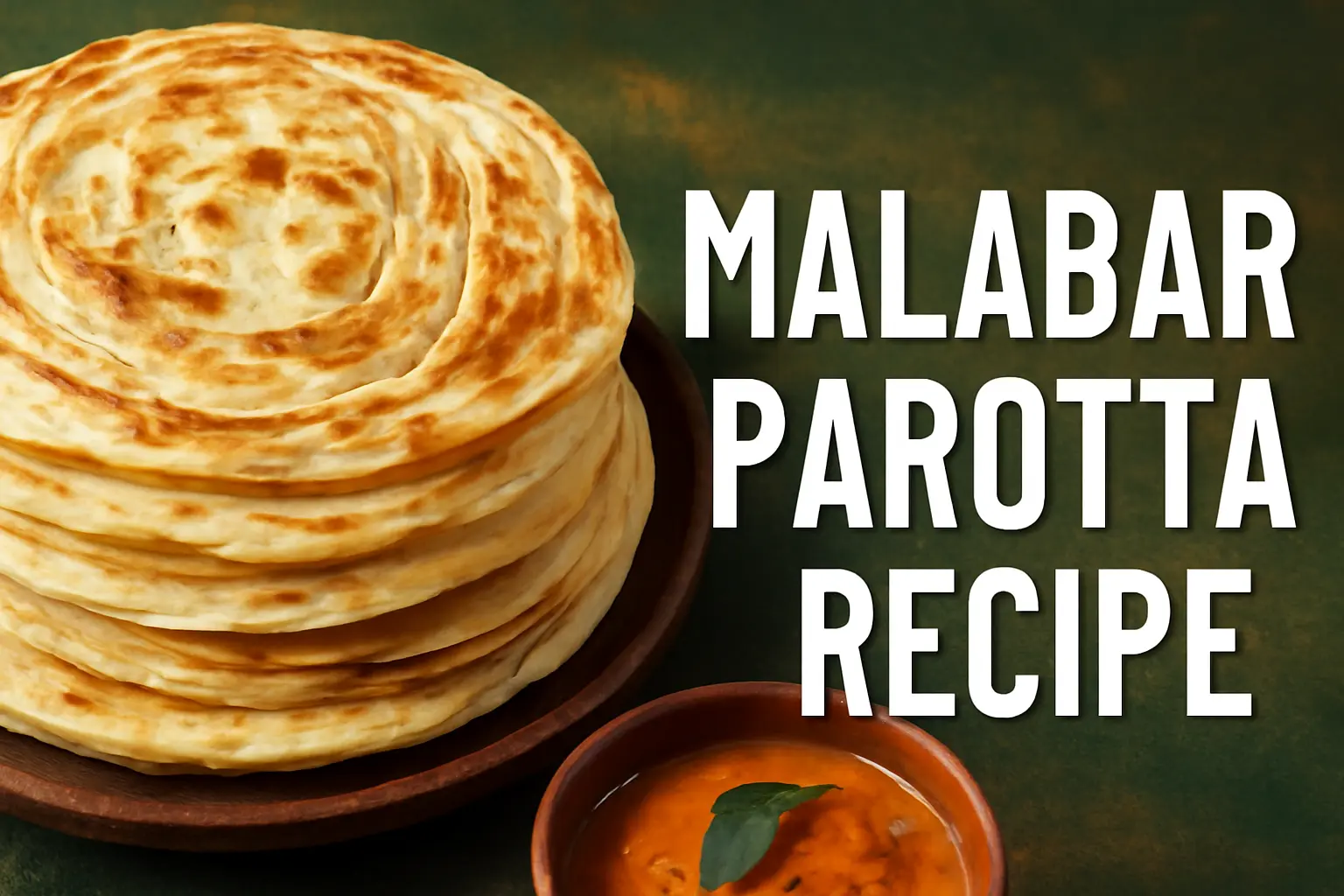
If you’ve ever visited Kerala or South India, chances are you’ve been introduced to the scrumptious delight known as Malabar Parotta. This flaky, buttery flatbread is a favorite in the region, often served with rich curries or flavorful stews. But what if you could recreate this deliciousness in the comfort of your own kitchen? In this blog, I’ll walk you through the step-by-step process to make the perfect Malabar Parotta, share a bit about its history, and even compare it with other types of parathas. By the end, you’ll be an expert in the Malabar Parotta recipe, and your kitchen will smell like a Kerala kitchen on a busy day.
What is Malabar Paratha?
Malabar Paratha, also known as Kerala Paratha, is a type of Indian flatbread famous for its soft, flaky texture and crispy layers. Unlike the standard flatbreads like roti or naan, Malabar Paratha is made with maida (all-purpose flour) which gives it that signature softness and layered finish. The dough is prepared, rested, and kneaded into delicate layers, then cooked on a griddle to perfection. It is typically served with rich curries, chicken, or vegetable stews, making it a beloved addition to any meal in Kerala. The Malabar Parotta is often regarded as a comfort food, especially when paired with spicy curry or a mild vegetable kurma.
Malabar Parotta Recipe Card
Print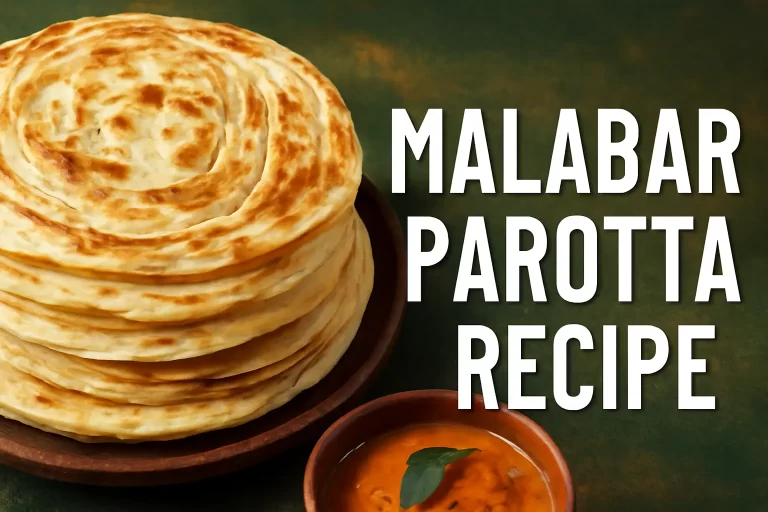
Malabar Parotta Recipe | Kerala Paratha Recipe – The Ultimate Flaky Delight
Crispy on the outside, soft and flaky inside—this Malabar Parotta is a Kerala-style layered flatbread made with maida, ghee, and a secret folding technique. Perfect with kurma or curry!
- Total Time: 2 hours 35 mins
- Yield: 8 parottas
Ingredients
-
3 cups maida (all-purpose flour)
-
1 tsp salt
-
1 tbsp sugar (optional, for softness)
-
1 tbsp oil (for dough)
-
¼ cup ghee/oil (for layering & cooking)
-
Water (as needed)
Instructions
Prepare the Dough
-
Mix maida, salt, and sugar in a bowl.
-
Add 1 tbsp oil, rub into flour, then knead with water into a soft, stretchy dough.
-
Coat with oil, cover, and rest for 2 hours.
2. Shape & Layer
-
Divide dough into lemon-sized balls.
-
Roll each ball into a thin circle, brush with ghee, and fold like a fan.
-
Roll into a tight spiral, rest for 10 mins.
3. Cook to Perfection
-
Flatten spirals gently, cook on medium heat with ghee until golden and flaky.
-
Clap parotta between palms to separate layers. Serve hot!
Notes
-
Resting is key: 2 hours for dough, 10 mins for spirals.
-
Use ghee: For authentic flavor and crisp layers.
-
Storage: Keep airtight for 1–2 days. Reheat on a tawa.
- Prep Time: 2 hours 15 mins
- Cook Time: 20 minutes
- Category: Bread
- Method: Stovetop
- Cuisine: Kerala (Indian)
- Diet: Vegetarian
Nutrition
- Serving Size: 1 parotta
- Calories: 246 kcal
- Sugar: 1g
- Sodium: 150mg
- Fat: 4g
- Saturated Fat: 2g
- Unsaturated Fat: 1.5g
- Trans Fat: 0g
- Carbohydrates: 46g
- Fiber: 1g
- Protein: 6g
- Cholesterol: 0mg
Malabar Parotta Recipe (Detailed Version)
Ingredients
- 3 cups maida
- 1 tsp salt
- 1 tbsp sugar
- 1 tbsp oil (for dough)
- ¼ cup oil/ghee (for layering & cooking)
- Water (as needed)
Instructions:
- Knead the dough (soft & stretchy) and rest for 2 hours.
- Divide into balls, roll thin, apply ghee, and pleat.
- Roll into spirals, rest, then flatten and cook.
- Serve hot with kurma or chicken curry!
How to Make Malabar Paratha
Now that you know what Malabar Paratha is, let’s get down to the fun part: making it yourself! Here’s how you can prepare this irresistible dish at home.
Ingredients:
- 3 cups maida (all-purpose flour)
- 1 tsp salt
- Water (as needed to form a dough)
- 2 tbsp oil or ghee (for the dough and layering)
- Extra oil or ghee for cooking
Instructions:
- Prepare the Dough:
Begin by combining maida and salt in a large mixing bowl. Gradually add water to the flour and knead the mixture into a smooth, soft dough. The dough should not be too stiff or too sticky. Once your dough comes together, drizzle a bit of oil over it, cover it with a damp cloth, and let it rest for at least 2 hours. Resting helps the dough become soft and easy to handle. - Divide the Dough:
After resting, divide the dough into small, equal-sized balls. These balls will form the individual layers of your Malabar Parotta. - Roll the Dough:
Take one dough ball and roll it out into a thin, circular disc. The thinner you roll it, the more layers your parotta will have! Don’t worry about perfection – a little roughness only adds to its charm. - Layering the Dough:
Once you’ve rolled the dough, apply a thin layer of oil or ghee on top. Fold it over into a half-moon shape, then fold again into a spiral. This step is crucial because it’s what creates those irresistible flaky layers inside the parotta. - Cooking the Parotta:
Heat a tawa (griddle) on medium heat. Place the rolled and spiraled dough onto the griddle and cook it until both sides are golden brown. Apply a little oil or ghee on both sides for that crispy, buttery finish. Press lightly with a spatula to ensure even cooking. - Serve and Enjoy:
Once your Malabar Parotta is cooked, remove it from the griddle and serve hot with your favorite curry, chicken, or vegetable kurma. The warm parotta will be soft on the inside and crispy on the outside—simply irresistible!
Malabar Parotta Recipe Ingredients
Before diving into the preparation, let’s talk about the key ingredients that make Malabar Parotta what it is:
- Maida (All-Purpose Flour): The main ingredient that gives Malabar Parotta its soft, tender texture. Maida is ideal for making dough that’s smooth and elastic, which is key for achieving those layers.
- Salt: Just a pinch of salt enhances the flavor of the dough, making it perfectly balanced.
- Water: Water is added to the maida to form a smooth dough. Be sure to add it gradually to avoid making the dough too sticky.
- Oil or Ghee: This is used for both kneading the dough and layering it. The oil or ghee ensures the layers stay separated during cooking, giving the parotta its signature flakiness.
Malabar Parotta Calories
While Malabar Parotta is absolutely delicious, it’s important to be mindful of its nutritional content, especially if you’re watching your calorie intake. A single serving of Malabar Parotta (approximately one medium-sized parotta) can contain around 246 calories. This includes approximately:
- 46 grams of carbohydrates
- 6 grams of protein
- 4 grams of fat
Although it’s high in calories, it’s also rich in flavor and texture, which is why it’s such a satisfying treat. However, if you’re looking to reduce calories, you could try substituting some of the maida with whole wheat flour or using less oil in the recipe.
Malabar Parotta Recipe with Egg
Want to make your Malabar Parotta even richer? Try adding an egg! Adding egg to the dough will make the parotta softer and give it a slightly more delicate texture.
How to Make Malabar Parotta with Egg:
- Follow the regular Malabar Parotta recipe, but when you’re mixing the flour, add one beaten egg to the dough. This will help in making the dough more pliable and give it a slightly richer flavor.
- The rest of the process remains the same as the traditional recipe, so you can enjoy a softer, egg-infused version of Malabar Parotta.
Recipe of Malabar Parotta without Egg
If you prefer a vegan or egg-free version, don’t worry—you can easily make Malabar Parotta without egg! The recipe remains the same, just omit the egg from the dough, and the result will still be a soft, flaky, and delicious parotta. In fact, this version is the most common way to make Malabar Parotta, as many prefer it as a vegan-friendly option.
Malabar Paratha Recipe with Wheat Flour
Looking for a healthier twist on the classic recipe? Try using whole wheat flour instead of maida. While it will change the texture slightly, you’ll still get a soft and delicious parotta with the added benefit of whole wheat’s fiber.
How to Make Malabar Paratha with Wheat Flour:
- Substitute about half the maida with whole wheat flour. You may need to adjust the amount of water slightly, as wheat flour absorbs more moisture than maida.
- The result will be a slightly denser parotta, but still flaky and satisfying.
Malabar Paratha Recipe Kerala Style
The traditional Kerala-style Malabar Paratha is all about layering. It’s what gives the parotta its signature soft, crispy texture. Whether you’re cooking in a home kitchen or enjoying it in a Kerala restaurant, the key to the authentic version is in the details: the oil, the resting dough, and the delicate process of rolling and layering. The Kerala-style preparation uses ghee for that extra richness, and the dough is often rested for longer to ensure a super-soft texture.
Malabar Parotta Kurma Recipe
Malabar Parotta is often served with kurma, a spiced curry that’s rich in flavors and complements the soft, buttery texture of the parotta. Kurma typically contains mixed vegetables, and the coconut milk base adds a nice balance to the spices. Try serving your Malabar Parotta with vegetable kurma or even chicken curry for an irresistible meal!
Malabar Paratha Ready to Eat
Once your Malabar Parotta is cooked, it’s ready to eat! The soft, flaky parottas are best enjoyed hot, straight from the tawa. Pair them with your favorite curry or stew for an unforgettable meal. Whether you serve them at breakfast, lunch, or dinner, Malabar Parotta is sure to be a hit at the table.
Malabar Paratha Packet Price
The price of a packet of Malabar Paratha typically ranges from ₹80 to ₹150 for a pack containing around 6 to 8 pieces. These are available at various online retailers and supermarkets in India, and prices may vary based on the size and location.
Buy Malabar Parotta Online from Araas Foods – Authentic Taste, Delivered to Your Doorstep
If you’re searching to buy Malabar Parotta online, you’ll find a variety of options. Popular food delivery apps and online grocery stores offer frozen Malabar Parottas from trusted brands. Always check reviews to ensure you’re getting a high-quality product. While nothing beats the taste of homemade parottas, store-bought options from reputable brands like Araas Foods provide a convenient and delicious alternative without sacrificing flavor.
Why Choose Araas Foods:
- Authentic Taste: Made with high-quality ingredients for the perfect, soft texture.
- Convenience: Frozen for your convenience—just heat and enjoy!
- Quality Assurance: Our products are made following traditional recipes with modern food safety standards.
Buy now and experience the authentic taste of Malabar Parotta from the comfort of your home!
👉 Order Now from Araas Foods 👈
Visit our website for more product details:
www.araasfoods.com
Malabar Paratha vs Lachha Paratha
Malabar Paratha and Lachha Paratha are both layered flatbreads, but they differ in their preparation and texture. Lachha Paratha is typically made with whole wheat flour and is less flaky compared to the Malabar Parotta. It’s more chewy, while Malabar Parotta has a lighter, airier texture due to its use of maida and oil for layering.
| Feature | Malabar Paratha | Lachha Paratha |
| Flour Used | Maida (refined flour) | Whole wheat flour |
| Texture | Light, airy, and flaky | Chewy and less flaky |
| Preparation | Layers created using maida and oil | Layers created with whole wheat flour and ghee |
| Taste | Softer, more delicate in taste | Slightly denser, with a stronger wheat flavor |
| Common Usage | Often served with curries or gravies, especially in Kerala cuisine | Typically served with dal, curries, or yogurt in North India |
Malabar Paratha and Kerala Paratha Difference
Many people confuse Malabar Paratha with Kerala Paratha, but there are subtle differences. Malabar Paratha is often considered a specific type of Kerala Paratha, typically more layered and soft due to the kneading and resting process. The preparation and ingredients are essentially the same, but Malabar Paratha is the more iconic name associated with the layered, flaky texture.
| Feature | Malabar Paratha | Kerala Paratha |
| Type | A specific type of Kerala Paratha | A traditional Kerala flatbread |
| Texture | More layered and soft due to kneading and resting | Slightly less layered, but still soft and flaky |
| Preparation | More emphasis on kneading and resting the dough for layers | Similar preparation, but with less focus on layering |
| Ingredients | Maida (refined flour), oil for layering | Maida (refined flour), sometimes with ghee |
| Iconic Name | Malabar Paratha is the more iconic name for the layered, flaky version | Kerala Paratha is the broader term for all types of Kerala flatbreads |
| Origin | Originates from the Malabar region in Kerala | General term for Kerala’s flatbreads |
Malabar Parotta Recipe – Quick Summary
To sum up, Malabar Parotta is a layered, soft flatbread made from maida, salt, and water. The dough is rested, kneaded, and then rolled into thin layers, which are spiraled and cooked on a griddle with ghee or oil. The result is a flaky, crispy outer layer with a soft, fluffy interior. It’s typically served with curries, and it’s loved for its rich texture and taste.
What is Malabar Parotta – FAQ’s
Malabar Parotta is made of maida (all-purpose flour), salt, water, and oil or ghee. The dough is kneaded and rested to create that soft, flaky texture.
Malabar Parotta is best enjoyed fresh, but if stored properly in an airtight container, it can last up to 2 days. Reheat it on a tawa for the best texture.
Malabar Parotta is known for its flaky, layered texture due to the way it is kneaded and rested, while normal parotta tends to be softer and denser.
Yes, traditional parotta, including Malabar Parotta, is made with maida (all-purpose flour).
Malabar Paratha is delicious but high in calories, so it’s best enjoyed in moderation. You can make it healthier by using wheat flour instead of maida.
The exact origin of Malabar Parotta is unclear, but it is believed to have been introduced by Muslim traders in Kerala.
While both are flatbreads, Malabar Parotta is specifically from the Malabar region of Kerala and is known for its flakiness and multiple layers.
Malabar Paratha’s specialty lies in its preparation method, where the dough is kneaded and layered to create that signature crispy, flaky texture.
While delicious, parotta is high in calories and should be eaten in moderation as part of a balanced diet.
Notes, Pro Tips
To make the perfect Malabar Parotta:
- Be patient while kneading the dough—it’s key to getting that perfect, soft texture.
- Use ghee instead of oil for a more authentic flavor.
- Let the dough rest properly to get that ideal soft, flaky texture.