
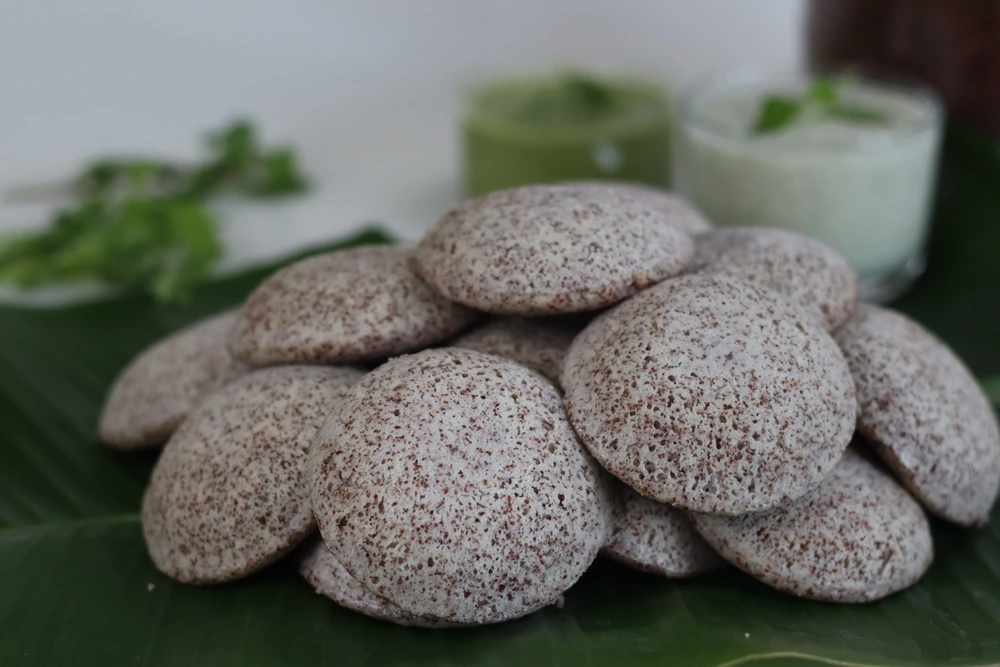
At Araas, we honor South Indian traditions while adding modern nutritional value. Ever wanted to make your idlis healthier? Meet Kodo Millet Idli—a soft, fluffy, and gluten-free version of the classic that’s rich in fiber and perfect for those reducing rice or managing blood sugar. Whether you’re a fitness enthusiast, diabetic, or simply love experimenting with healthy food, kodo millet idli is a smart and satisfying choice.
🥣 What is Kodo Millet Idli?
Kodo Millet Idli is a wholesome version of traditional idli where rice is replaced (or reduced) with kodo millet—a small, powerful grain packed with protein, fiber, and essential minerals like iron and calcium. Known as Varagu in Tamil, kodo millet offers a slightly nutty taste, perfect with chutneys and sambar. It’s naturally gluten-free, ideal for people with dietary sensitivities or health-conscious goals.
PrintKodo Millet Idli Recipe: A Nutritious Twist to Your Traditional Breakfast
Ingredients
For the Batter:
-
1 cup kodo millet (soaked for 6–8 hours)
-
½ cup urad dal (soaked for 4–6 hours)
-
¼ tsp fenugreek seeds (optional)
-
Salt to taste
-
Water (as required for grinding)
Optional Add-ins:
-
1 tbsp poha (for softness)
-
1 tsp grated ginger (aids digestion)
-
1–2 green chilies (for a gentle kick)
Instructions
✅ Step 1: Soak the Ingredients
-
Rinse kodo millet and urad dal separately.
-
Soak millet for 6–8 hours and dal (with fenugreek) for 4–6 hours.
✅ Step 2: Grind and Ferment
-
Grind urad dal into a smooth, fluffy batter.
-
Grind millet coarsely (like semolina).
-
Mix both, add salt, and let it ferment overnight (8–12 hours).
✅ Step 3: Steam the Idlis
-
Grease idli molds with oil or ghee.
-
Pour batter up to ¾ in each mold.
-
Steam for 10–12 minutes. Use a toothpick to check if done.
✅ Step 4: Serve
-
Serve hot with coconut chutney, sambar, or tomato chutney.
-
Add a spoon of gingelly oil and gunpowder for a traditional touch.
Notes
Tips for Rice-Free Kodo Millet Idli
-
Use poha or cooked quinoa to improve softness.
-
Ferment longer (10–12 hours) for better rise.
-
Add a pinch of baking soda before steaming if batter doesn’t rise.
🧾 Ingredients for Kodo Millet Idli
For the Batter:
- 1 cup kodo millet (soaked 6–8 hours)
- ½ cup urad dal (soaked 4–6 hours)
- ¼ tsp fenugreek seeds (optional, helps fermentation)
- Salt to taste
- Water (as needed for grinding)
Optional Add-ins:
- 1 tbsp poha (for extra softness)
- 1 tsp grated ginger (aids digestion)
- 1–2 green chilies (for flavor)
🍽️ Kodo Millet Idli Recipe – Araas Method
Looking for a high-fiber, low-carb breakfast? Kodo Millet Idli is soft, satisfying, and perfect for clean eating.
✅ Step 1: Soak the Ingredients
- Rinse kodo millet and urad dal separately.
- Soak millet for 6–8 hours, and dal (with fenugreek seeds) for 4–6 hours.
✅ Step 2: Grind the Batter
- Drain and grind urad dal into a smooth, fluffy paste.
- Grind millet coarsely (like rava/semolina).
- Mix both batters, add salt, and ferment for 8–12 hours.
✅ Step 3: Steam the Idlis
- Grease idli molds lightly with oil or ghee.
- Pour batter into molds (¾ full), steam for 10–12 minutes.
- Check with a toothpick—if it comes out clean, they’re done!
✅ Step 4: Serve
- Pair with coconut chutney, tomato chutney, or sambar.
- For a traditional touch, serve with gunpowder and gingelly oil.
🌾 100% Rice-Free Kodo Millet Idli
Yes, you can skip rice entirely and still enjoy soft, fluffy idlis! This version uses kodo millet only, with smart additions like poha or cooked quinoa for structure. Ferment the batter a bit longer—10 to 12 hours—for best results. If you’re in a cold region or the batter doesn’t rise, a tiny pinch of baking soda before steaming will help fluff it up. It’s perfect for those cutting carbs or managing blood sugar.
🔄 Kodo Millet Dosa Using the Same Batter
Leftover idli batter? Transform it into crispy, healthy Kodo Millet Dosas!
✅ Step-by-Step Dosa Method:
- Thin the batter with water until it’s pourable like pancake mix.
- Add 1 tsp rice flour or semolina for extra crispiness (optional).
- Heat a non-stick or cast-iron tawa. Test with water—if it sizzles, it’s ready.
- Pour a ladle of batter, spread thin, and drizzle ghee or oil around the edges.
- Cook until golden, flip gently, and cook the other side for 30 seconds.
Serve with:
- Onion-tomato chutney
- Mint yogurt dip
- Classic coconut chutney
🩺 Is Kodo Millet Idli Healthy? (Araas Health Guide)
Absolutely! Kodo millet idli is a nutritional upgrade over regular rice idli. It’s packed with fiber, protein, and minerals while being gluten-free and diabetic-friendly. Its low glycemic index supports stable blood sugar levels, and its high fiber aids digestion and satiety. Just remember: moderation is key. Excess millet can cause mild bloating in sensitive individuals.
Why It’s Healthy:
- ✅ Low glycemic index – ideal for diabetics
- ✅ High in fiber – aids digestion and keeps you full
- ✅ Rich in protein & iron – supports energy and blood health
- ✅ Naturally gluten-free – perfect for celiac or gluten intolerance
Shop Millets at AraasFoods.com
📌 Quick Summary
Kodo millet idli is a healthy, gluten-free alternative to traditional South Indian idli, made by replacing rice with nutrient-rich kodo millet. The batter is made by soaking and grinding millet with urad dal, followed by overnight fermentation for softness. Once steamed, these idlis turn out light, fluffy, and mildly nutty in taste. Rich in fiber, protein, and minerals, they’re especially great for weight watchers, diabetics, and clean eaters. You can even repurpose the same batter for dosas. Easy to make and easier to digest, this millet-based breakfast proves that healthy food can be both delicious and comforting. For premium ready-to-cook products, visit AraasFoods.com.
❓ Kodo Millet Idli FAQs
Kodo millet is high in fiber, which may cause bloating or constipation if not consumed with enough water. It also contains goitrogens that may affect thyroid health when eaten in excess. Soaking the millet and ensuring iodine-rich foods can reduce this risk.
Yes, but it’s best to rotate with other millets to avoid digestive overload. Kodo millet is nutrient-rich and filling, but too much can lead to bloating. A varied millet diet ensures better nutrient absorption and long-term balance.
Definitely! Its low glycemic index makes it ideal for managing blood sugar. It digests slowly, offering sustained energy. Pairing it with protein or healthy fat further improves blood sugar control for diabetic diets.
Those with thyroid disorders, IBS, or a history of kidney stones should limit intake. Its goitrogen and oxalate content may worsen these conditions. Occasional consumption with balanced meals is a safer approach.
Foxtail millet gives soft texture, little millet is neutral and easy to digest, and barnyard millet adds iron and calcium. A 50:50 mix of kodo and foxtail millet is great for flavor and softness—just don’t skip fermentation.